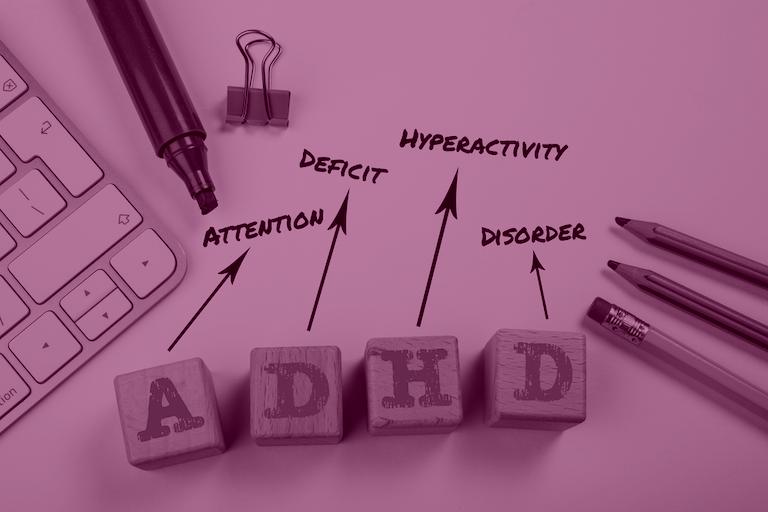
For decades, women’s emotions and mental health struggles were often dismissed with phrases like “you’re just stressed,” “you’re being dramatic,” or “it’s probably hormonal.” These responses may seem small, but over time they have contributed to a much larger issue: stigma surrounding women’s mental health. Even today, many women hesitate to seek professional help because …

For decades, women’s emotions and mental health struggles were often dismissed with phrases like “you’re just stressed,” “you’re being dramatic,” or “it’s probably hormonal.” These responses may seem small, but over time they have contributed to a much larger issue: stigma surrounding women’s mental health.
Even today, many women hesitate to seek professional help because they fear being judged, misunderstood, or not taken seriously. The reality is that mental health conditions such as anxiety, depression, burnout, ADHD, and postpartum depression affect millions of women, and getting support can make a life-changing difference.
At SerenMind Psychiatry, the goal is to help individuals feel heard, supported, and empowered to prioritize their mental wellness without shame.
Why Mental Health Stigma Still Affects Women
Although society has made progress in discussing mental health, women still face unique pressures that can make it difficult to speak openly.
1. The Pressure to “Handle Everything”
Women are often expected to manage careers, families, relationships, and personal responsibilities without showing signs of struggle. When everything feels overwhelming, many women blame themselves instead of recognizing they may need support.
2. Fear of Being Seen as Weak
In professional settings especially, women may worry that acknowledging anxiety, burnout, or emotional distress could affect how others perceive their abilities. This fear can cause many to push through symptoms rather than seek help.
3. Cultural Expectations
In many communities, mental health is still considered a private matter. Women may feel pressure to stay silent or “stay strong” for the sake of their families.
4. Social Media Comparisons
Scrolling through social media often shows polished versions of people’s lives. Constant comparison can increase feelings of inadequacy, stress, and loneliness.
Common Mental Health Challenges Women Experience
Women are statistically more likely to experience certain mental health conditions, including anxiety disorders, depression, and trauma-related stress. However, symptoms don’t always look the same for everyone.
Some common signs that mental health support may be helpful include:
-
Persistent worry or racing thoughts
-
Trouble sleeping or constant fatigue
-
Irritability or emotional overwhelm
-
Difficulty concentrating
-
Feeling disconnected or unmotivated
-
Losing interest in activities you once enjoyed
These experiences are valid and deserve attention. Mental health struggles are not personality flaws—they are real health concerns that can be treated.
Women Who Helped Change the Conversation
Several influential women helped reshape how society understands mental health and psychiatric care.
Kay Redfield Jamison is a clinical psychologist whose research on mood disorders and her personal experience with bipolar disorder helped humanize mental illness and reduce stigma.
Marsha M. Linehan transformed mental health treatment by developing Dialectical Behavior Therapy (DBT), which has helped individuals struggling with emotional regulation, trauma, and severe depression.
Mamie Phipps Clark conducted groundbreaking psychological research on identity, social stress, and the impact of discrimination; work that expanded awareness of how societal pressures affect mental health.
Because of leaders like these, conversations around mental health are becoming more compassionate, research-driven, and inclusive.
Why Seeking Help Is a Strength
One of the biggest myths surrounding mental health is that people should be able to “handle it on their own.” In reality, mental health care is similar to physical healthcare. When something feels wrong, support from a professional can help identify the cause and guide recovery.
Reaching out for help can lead to:
✔ Better understanding of your emotions
✔ Practical strategies for managing stress
✔ Improved sleep and energy
✔ Stronger relationships
✔ Greater confidence and stability
Mental wellness isn’t about being perfect, it’s about having the right tools and support.
How Modern Psychiatry Makes Care More Accessible
Today, mental health support is easier to access than ever before. Telepsychiatry allows individuals to connect with licensed providers from the comfort and privacy of their homes.
At SerenMind Psychiatry, care focuses on understanding the whole person. The process typically includes:
-
Comprehensive psychiatric evaluations
-
Personalized treatment plans
-
Medication management when appropriate
-
Therapy referrals and supportive strategies
-
Convenient telehealth appointments
This approach helps individuals receive professional care without long wait times or the stress of commuting to appointments.
Breaking the Stigma Starts With Conversation
The more people talk openly about mental health, the easier it becomes for others to seek help. Every honest conversation helps normalize the idea that mental health is a vital part of overall well-being.
If you’ve ever felt dismissed, overwhelmed, or unsure whether your feelings are “serious enough,” it’s important to remember this: your experiences matter.
You are not overreacting. You are human.
And support is available.