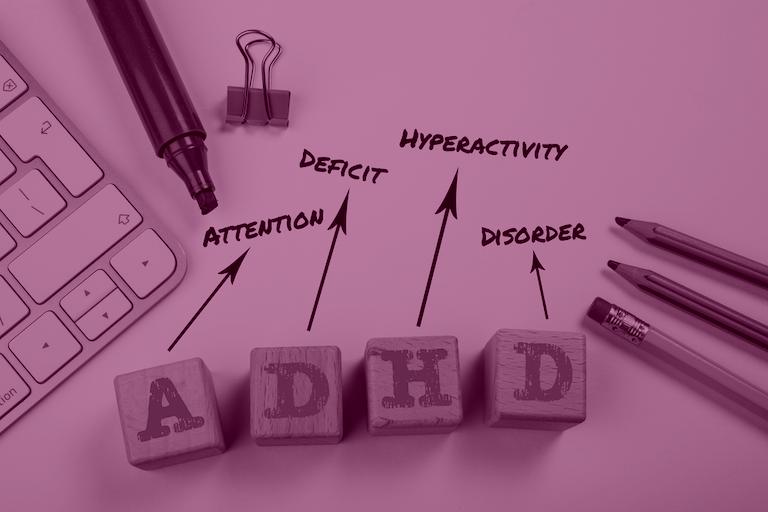
When you’re struggling with your mental health, one of the most common questions is: “Do I need therapy, medication, or both?” It’s completely normal to feel unsure. Mental health care isn’t one-size-fits-all, and choosing the right path can feel overwhelming. To make things clearer, this guide, written from a psychiatric perspective, breaks down how therapy …

When you’re struggling with your mental health, one of the most common questions is:
“Do I need therapy, medication, or both?”
It’s completely normal to feel unsure. Mental health care isn’t one-size-fits-all, and choosing the right path can feel overwhelming. To make things clearer, this guide, written from a psychiatric perspective, breaks down how therapy and medication help, when each is recommended, and how a psychiatrist decides the best treatment plan.
Understanding the Difference Between Therapy and Medication
What Is Therapy?
Therapy (also called psychotherapy or counseling) is a structured conversation with a licensed mental health professional who helps you understand your thoughts, emotions, and behaviors.
Common types include:
- Cognitive Behavioral Therapy (CBT)
- Dialectical Behavior Therapy (DBT)
- Psychodynamic therapy
- Trauma-focused therapies
Therapy helps you:
- Build coping skills
- Understand emotional triggers
- Improve relationships and communication
- Change patterns that may be keeping you stuck
Therapy is effective for both everyday stress and diagnosed mental health conditions.
What Is Psychiatric Medication?
Psychiatric medication affects brain chemistry to help stabilize mood, improve focus, reduce anxiety, or balance other symptoms.
Common categories:
- Antidepressants (for depression, anxiety, OCD)
- Mood stabilizers (for bipolar spectrum conditions)
- ADHD medications
- Anti-anxiety medications
- Antipsychotic medications (for conditions with severe mood or thought disturbances)
Medication is typically recommended when symptoms significantly interfere with daily life—school, work, relationships, or self-care.
When Therapy Is Typically the Best First Step
A psychiatrist may recommend therapy alone if:
- You’re dealing with stress, burnout, or life transitions
- Your symptoms are mild to moderate
- You want to understand emotional patterns
- You prefer a non-medication approach
- You’re already functioning relatively well despite challenges
Therapy is especially effective on its own for:
- Mild depression
- Mild to moderate anxiety
- Grief
- Relationship or family conflicts
- Low self-esteem
- Behavioral patterns you want to change
Research consistently shows that therapy can be just as effective as medication for certain conditions, especially anxiety and mild depression.
When Medication May Be Recommended
A psychiatrist may suggest medication when symptoms are:
- Severe
- Persistent
- Biologically driven
- Causing major impairment at school, work, or home
Medication is often recommended for:
- Major depressive disorder
- Panic disorder
- Generalized anxiety disorder (when therapy alone hasn’t helped)
- ADHD
- Bipolar disorder
- PTSD with intense mood or sleep symptoms
- OCD
- Conditions with hallucinations or delusional thinking
Medication does not change your personality. It aims to reduce symptoms enough for you to function, think clearly, and benefit from therapy if you choose to pursue it.
Many People Benefit Most From a Combination of Both
Research shows that therapy + medication together is the most effective approach for many conditions, especially:
- Moderate or severe depression
- Anxiety disorders
- Trauma-related disorders
- OCD
- Bipolar disorder
- ADHD with emotional symptoms
Therapy gives you long-term skills; medication reduces symptoms so you can actually use those skills.
How a Psychiatrist Decides the Best Treatment Plan
A psychiatrist typically considers:
- Your symptoms (frequency, intensity, duration)
- Your medical history
- Family mental health history
- Previous treatment responses
- Your personal goals and preferences
The goal is always to choose the least intensive, most effective, and safest approach.
Signs You May Benefit From Therapy
- Feeling overwhelmed or stressed
- Trouble managing emotions
- Difficulty in friendships or relationships
- Feeling “stuck” in certain patterns
- Problems with motivation
- Trouble coping with life changes
Signs You May Benefit From Medication
You might consider a psychiatric evaluation if you’re experiencing:
- Persistent sadness, irritability, or anxiety
- Difficulty sleeping or sleeping too much
- Problems concentrating
- Panic attacks
- Feeling emotionally “numb” or detached
- Loss of interest in things you used to enjoy
- Symptoms that interfere with school, work, or relationships
What to Expect at a Psychiatric Appointment
During an evaluation, a psychiatrist will:
- Ask about your symptoms and how long they’ve been happening
- Discuss your medical history
- Talk about your goals for treatment
- Explain therapy, medication, or combined options
- Create a personalized plan based on your needs
You’ll never be pushed into a treatment you don’t want—collaboration is essential.
How Seren Mind Psychiatry Can Help
At Seren Mind Psychiatry, we specialize in creating supportive, personalized mental health treatment plans. Whether you’re curious about therapy, medication, or both, our team provides:
- Comprehensive psychiatric evaluation
- Evidence-based recommendations
- Compassionate, judgment-free care
- Ongoing support and treatment adjustments
Your mental health journey is unique, and we’re here to guide you through every step.
Considering Therapy or Medication? You Don’t Have to Decide Alone
If you’re wondering what the right path is, scheduling an evaluation with a licensed mental health professional is the best first step. A psychiatrist can help clarify what will support you most, whether that’s therapy, medication, or a combination.
When you’re struggling with your mental health, one of the most common questions is:
“Do I need therapy, medication, or both?”
It’s completely normal to feel unsure. Mental health care isn’t one-size-fits-all, and choosing the right path can feel overwhelming. To make things clearer, this guide, written from a psychiatric perspective, breaks down how therapy and medication help, when each is recommended, and how a psychiatrist decides the best treatment plan.
Understanding the Difference Between Therapy and Medication
What Is Therapy?
Therapy (also called psychotherapy or counseling) is a structured conversation with a licensed mental health professional who helps you understand your thoughts, emotions, and behaviors.
Common types include:
- Cognitive Behavioral Therapy (CBT)
- Dialectical Behavior Therapy (DBT)
- Psychodynamic therapy
- Trauma-focused therapies
Therapy helps you:
- Build coping skills
- Understand emotional triggers
- Improve relationships and communication
- Change patterns that may be keeping you stuck
Therapy is effective for both everyday stress and diagnosed mental health conditions.
What Is Psychiatric Medication?
Psychiatric medication affects brain chemistry to help stabilize mood, improve focus, reduce anxiety, or balance other symptoms.
Common categories:
- Antidepressants (for depression, anxiety, OCD)
- Mood stabilizers (for bipolar spectrum conditions)
- ADHD medications
- Anti-anxiety medications
- Antipsychotic medications (for conditions with severe mood or thought disturbances)
Medication is typically recommended when symptoms significantly interfere with daily life, school, work, relationships, or self-care.
When Therapy Is Typically the Best First Step
A psychiatrist may recommend therapy alone if:
- You’re dealing with stress, burnout, or life transitions
- Your symptoms are mild to moderate
- You want to understand emotional patterns
- You prefer a non-medication approach
- You’re already functioning relatively well despite challenges
Therapy is especially effective on its own for:
- Mild depression
- Mild to moderate anxiety
- Grief
- Relationship or family conflicts
- Low self-esteem
- Behavioral patterns you want to change
Research consistently shows that therapy can be just as effective as medication for certain conditions, especially anxiety and mild depression.
When Medication May Be Recommended
A psychiatrist may suggest medication when symptoms are:
- Severe
- Persistent
- Biologically driven
- Causing major impairment at school, work, or home
Medication is often recommended for:
- Major depressive disorder
- Panic disorder
- Generalized anxiety disorder (when therapy alone hasn’t helped)
- ADHD
- Bipolar disorder
- PTSD with intense mood or sleep symptoms
- OCD
- Conditions with hallucinations or delusional thinking
Medication does not change your personality. It aims to reduce symptoms enough for you to function, think clearly, and benefit from therapy if you choose to pursue it.
Many People Benefit Most From a Combination of Both
Research shows that therapy + medication together is the most effective approach for many conditions, especially:
- Moderate or severe depression
- Anxiety disorders
- Trauma-related disorders
- OCD
- Bipolar disorder
- ADHD with emotional symptoms
Therapy gives you long-term skills; medication reduces symptoms so you can actually use those skills.
How a Psychiatrist Decides the Best Treatment Plan
A psychiatrist typically considers:
- Your symptoms (frequency, intensity, duration)
- Your medical history
- Family mental health history
- Previous treatment responses
- Your personal goals and preferences
The goal is always to choose the least intensive, most effective, and safest approach.
Signs You May Benefit From Therapy
- Feeling overwhelmed or stressed
- Trouble managing emotions
- Difficulty in friendships or relationships
- Feeling “stuck” in certain patterns
- Problems with motivation
- Trouble coping with life changes
Signs You May Benefit From Medication
You might consider a psychiatric evaluation if you’re experiencing:
- Persistent sadness, irritability, or anxiety
- Difficulty sleeping or sleeping too much
- Problems concentrating
- Panic attacks
- Feeling emotionally “numb” or detached
- Loss of interest in things you used to enjoy
- Symptoms that interfere with school, work, or relationships
What to Expect at a Psychiatric Appointment
During an evaluation, a psychiatrist will:
- Ask about your symptoms and how long they’ve been happening
- Discuss your medical history
- Talk about your goals for treatment
- Explain therapy, medication, or combined options
- Create a personalized plan based on your needs
You’ll never be pushed into a treatment you don’t want, collaboration is essential.
How Seren Mind Psychiatry Can Help
At Seren Mind Psychiatry, we specialize in creating supportive, personalized mental health treatment plans. Whether you’re curious about therapy, medication, or both, our team provides:
- Comprehensive psychiatric evaluation
- Evidence-based recommendations
- Compassionate, judgment-free care
- Ongoing support and treatment adjustments
Your mental health journey is unique, and we’re here to guide you through every step.
Considering Therapy or Medication? You Don’t Have to Decide Alone
If you’re wondering what the right path is, scheduling an evaluation with a licensed mental health professional is the best first step. A psychiatrist can help clarify what will support you most, whether that’s therapy, medication, or a combination.